Natural Stone vs Engineered Stone: Key Differences Explained
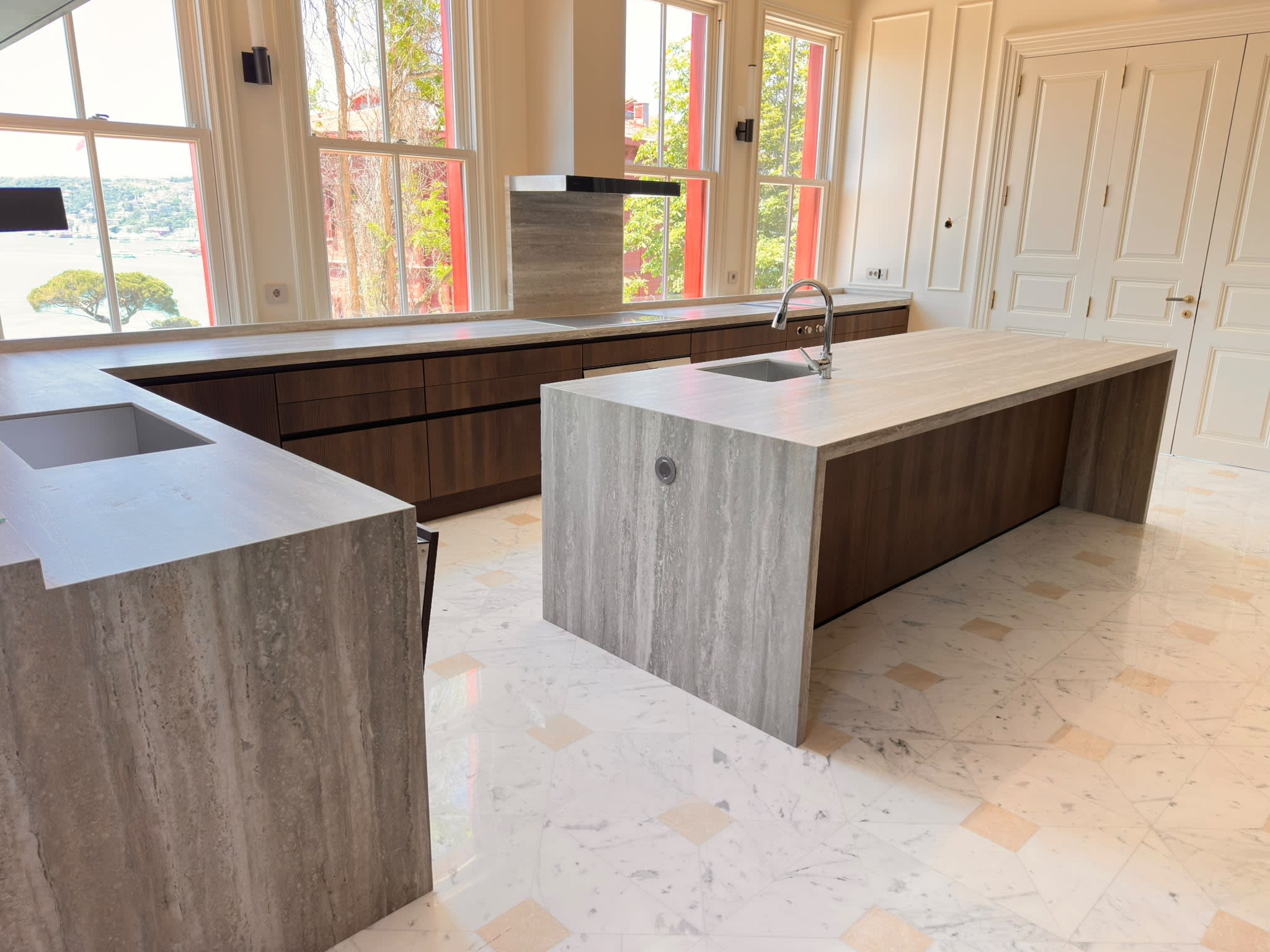
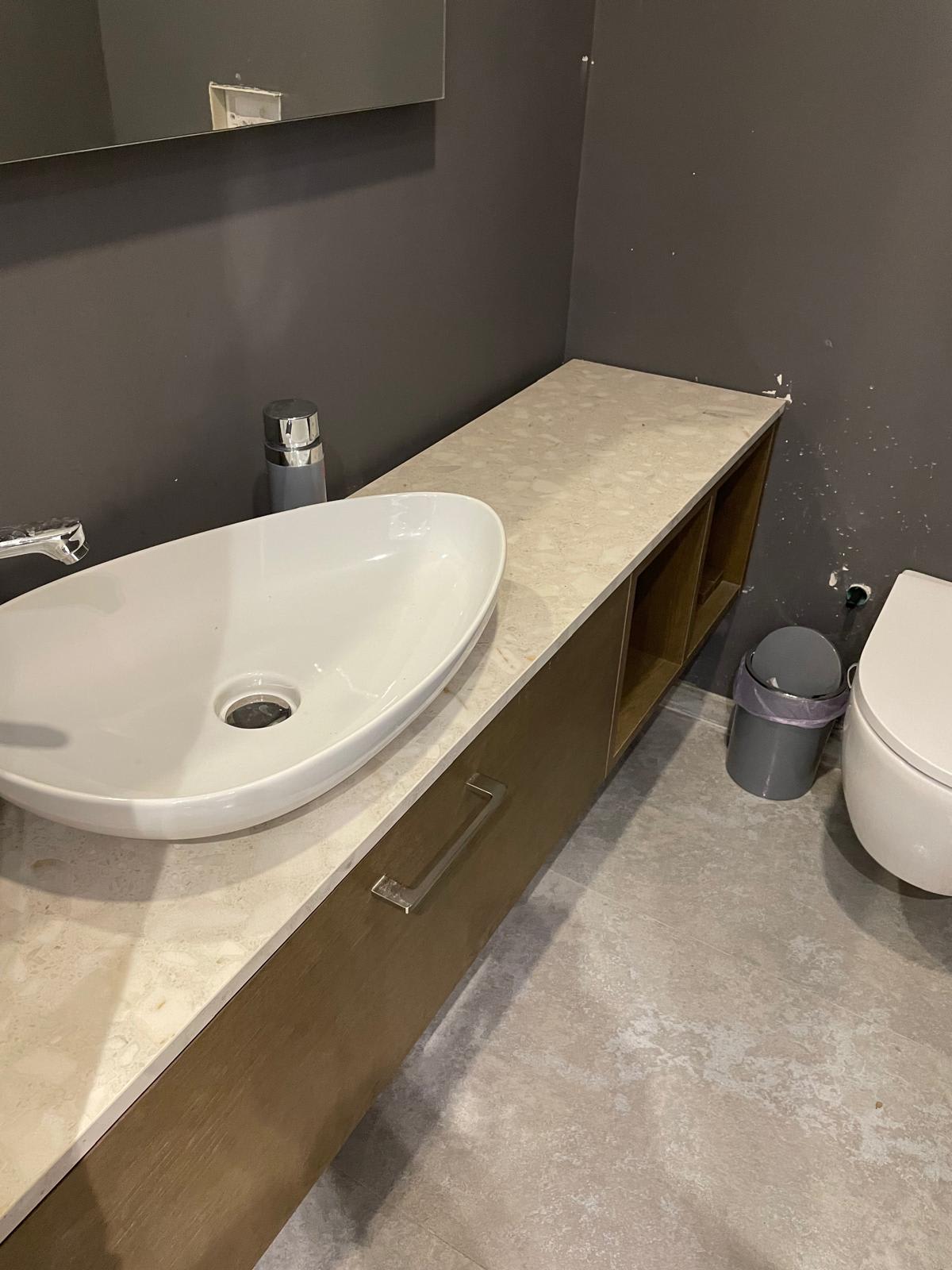
When choosing a countertop or surface material, one of the most common questions is whether to go with natural stone or engineered stone. Natural stones such as granite and marble are formed over millions of years beneath the Earth's surface, offering completely unique patterns and an authentic appearance that cannot be replicated. Engineered stones like quartz, on the other hand, are manufactured by combining natural minerals with resins and pigments, resulting in a more controlled and uniform structure. While both categories offer durability and aesthetic appeal, their differences in composition, maintenance, and long-term performance can significantly impact your decision.
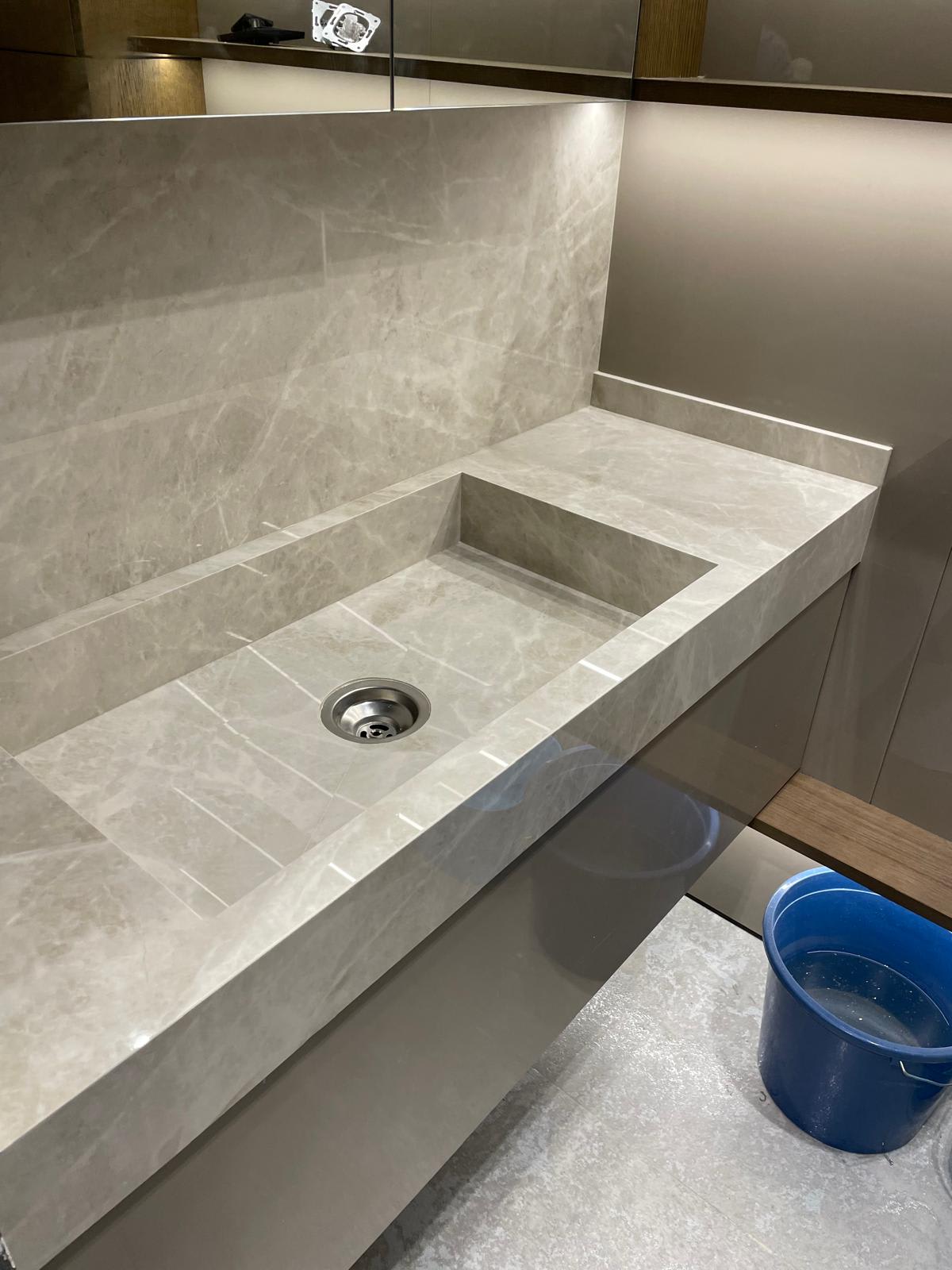
Natural stone vs engineered stone comparison
Main Differences Between Natural and Engineered Stone
The main difference between natural and engineered stone lies in their formation and surface behavior. Natural stones provide unmatched authenticity, depth, and variation, making each piece unique and visually rich, while also offering high resistance to heat and long-term durability. Engineered stones, however, excel in consistency and ease of maintenance, thanks to their non-porous structure that resists stains and bacteria more effectively. While natural stone may require periodic sealing and careful maintenance, engineered surfaces are generally easier to clean and maintain, making them attractive for users who prioritize convenience and uniform aesthetics.
Explore Our ProjectsUltimately, choosing between natural and engineered stone depends on your priorities and lifestyle. If you value authenticity, uniqueness, and long-term durability, natural stone such as granite offers a timeless and premium solution that ages beautifully over time. On the other hand, if you prefer a modern, low-maintenance, and consistent surface, engineered stone like quartz may better suit your needs. Both options have their strengths, but natural stone continues to stand out for those who seek originality and a connection to nature in their living spaces.